Submetering of property electricity consumption
The submetering service is designed for owners of commercial properties and simplifies the management of electricity consumption in business premises. For tenants, the service enables free choice and competitive tendering of electricity contracts. Together, we can assess whether submetering is feasible for your property.
What is submetering?
Each tenant’s electricity consumption is measured with a remotely read electricity meter. The tenant signs an electricity contract with a supplier of their choice.
The property owner no longer needs to manage tenants’ electricity consumption, as only the electricity used in common areas is billed to the owner. Manual meter reading and invoicing of tenants become a thing of the past.
When a tenant’s electricity contract ends, electricity supply is disconnected. A new tenant signs their own contract, and electricity supply resumes.
Who is it for?
Submetering is typically implemented in properties where electricity metering is currently handled with a single main meter. It is most common in commercial properties with more than two tenants and at least one tenant with high electricity consumption.
Why?
The submetering service significantly simplifies the property owner’s work by eliminating the need for back-billing tenants for electricity usage. Tenants contract directly with their chosen electricity supplier.
How?
Submetering cannot be applied in properties that already have multiple metering points provided by the distribution network operator. In other cases, we will assess together whether submetering is suitable for your property.
How submetering works
Separate meters are installed to measure electricity consumption in the property’s business premises in accordance with Helen Electricity Network’s metering guidelines and standards. Installation is possible in most properties, but in some cases may require significant modifications.
Submetering is most practical when implemented during renovation projects or in new developments. We will help you determine what modifications are required, making it easier to evaluate the investment.
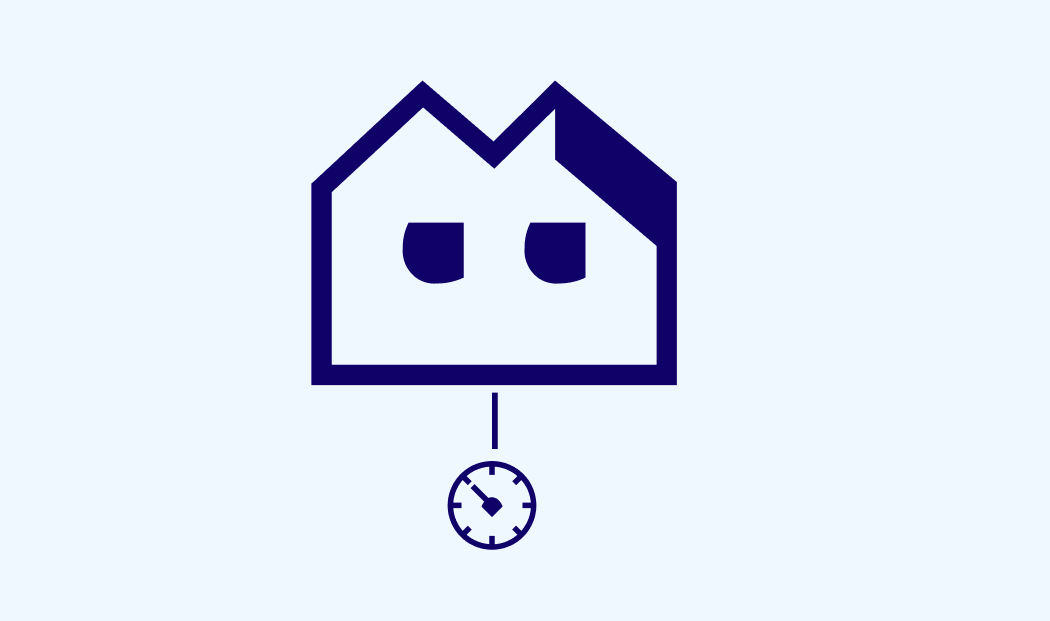
No submetering: One electricity meter for the entire property.
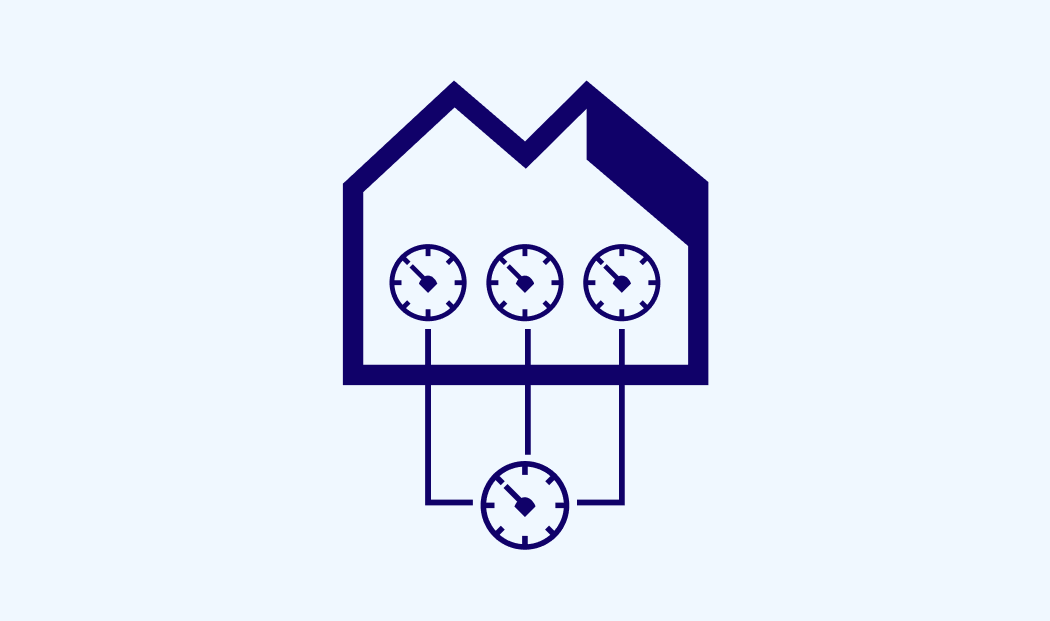
Submetering: Each leasable unit has its own remotely read meter. The main meter records the total electricity consumption of the property.